Protecting Your Property Investment: Why an Eviction Lawyer For Landlords Is Essential
Why Every Property Proprietor Must Understand the Function of a Landlord Lawyer
Homeowner often deal with a myriad of legal challenges in handling rental residential properties. Recognizing the duty of a property manager lawyer is essential for steering via occupant legislations, lease agreements, and expulsion processes. Their proficiency can safeguard against prospective conflicts and guarantee conformity with neighborhood guidelines. As the rental market ends up being progressively affordable, the requirement for effective lawful advice expands. What details methods can a property manager lawyer impact a homeowner's success?
Recognizing Occupant Laws and Laws
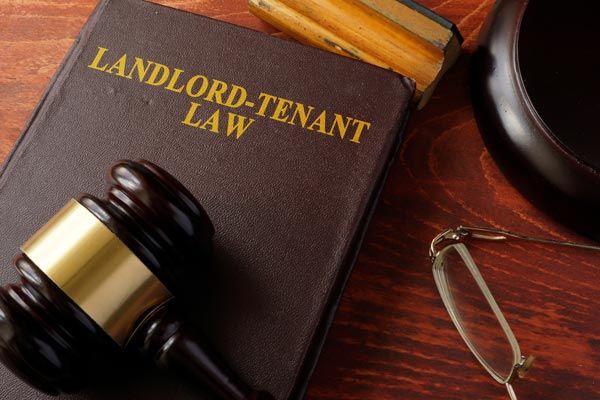
Understanding occupant legislations and regulations is crucial for property owners to browse the complexities of residential or commercial property monitoring efficiently. These regulations differ by state and community, influencing whatever from protection down payments to expulsion procedures - Eviction Lawyer For Landlords. Landlords need to acquaint themselves with reasonable real estate regulations, which ban discrimination based on different elements such as sex, race, and impairment (Steven Adair MacDonald & Partners PC). Furthermore, expertise of lease agreements, occupant legal rights, and home maintenance requirements is essential to prevent lawful disagreements. Non-compliance can result in pricey lawsuits and punitive damages. By staying educated concerning the existing laws, property owners can cultivate positive partnerships with lessees while securing their financial investments. Engaging an educated property owner lawyer can even more ensure adherence to lawful standards, ultimately enhancing the overall monitoring of rental residential properties
Composing and Assessing Lease Agreements
Composing and evaluating lease arrangements is an important action for property managers intending to develop clear expectations and shield their legal civil liberties. A well-structured lease describes the terms of occupancy, including rental fee amount, repayment due dates, and building maintenance duties. It acts as a legal structure that mitigates disagreements by detailing lessee and property manager obligations. Additionally, a detailed lease must include stipulations dealing with possible concerns, such as late payments, subletting, and termination treatments. Involving a landlord lawyer in this process assures that the lease adheres to neighborhood legislations and laws, minimizing the threat of legal difficulties. Eventually, meticulous lease contracts cultivate a positive landlord-tenant partnership while safeguarding home proprietors' interests.
Browsing Eviction Treatments
Navigating expulsion treatments requires a solid understanding of eviction laws and the particular legal paperwork needed for the procedure. Property manager lawyers play an essential role in guaranteeing that all steps conform with local policies to prevent prospective lawful challenges. Proper assistance can simplify the eviction process and secure the proprietor's rate of interests.
Recognizing Expulsion Regulations
When a property owner encounters the tough choice to force out a tenant, it comes to be important to understand the details eviction regulations that govern the process. These laws can vary considerably by state and district, influencing how property managers need to proceed. Recognizing the premises for expulsion, such as non-payment of rental fee or lease violations, is important for compliance. Furthermore, property owners need to be conscious of the necessary notice periods and paperwork needed before initiating expulsion proceedings. Failing to stick to these lawful terms can cause hold-ups or also termination of the eviction instance. Because of this, familiarizing oneself with regional eviction laws not just shields the landlord's rights however also assures the procedure is carried out smoothly and lawfully, reducing potential disputes.
Lawful Documentation Needs

Taking Care Of Down Payment and Rental Fee Disputes
Dealing with safety and security down payments and lease disputes is a critical element of a proprietor attorney's duty. Understanding down payment guidelines and the value of lawful paperwork can protect against potential problems. Additionally, efficient rental fee conflict arbitration can promote resolution and keep landlord-tenant connections.
Safety And Security Down Payment Rules
Property owners usually check out safety and security down payments as a protect against potential damages or unpaid rent, they should browse an intricate web of laws controling their use and return. These laws differ by territory but usually outline acceptable techniques for gathering, holding, and returning down payment. Several states need property managers to put deposits in interest-bearing accounts and give lessees with created notice of the deposit's terms. Additionally, proprietors are typically obliged to return deposits within a specified duration after lease discontinuation, minus any type of legal deductions. Failing to follow these guidelines can lead to conflicts, penalties, or lawful activity. Therefore, understanding these regulations is essential for property owners to safeguard their rate of interests and maintain compliance.
Rental Fee Dispute Arbitration
Disputes over lease and safety and security deposits can occur also when proprietors strive to comply with guidelines. In such cases, arbitration offers as an important tool for dealing with conflicts amicably. Proprietor attorneys commonly advise mediation as it permits both parties to express their worries and get to an equally reasonable option without considering lawsuits. This process can be less lengthy and much more cost-efficient than court procedures. Conciliators, neutral specialists, help with conversations to assist renters and landlords clarify their settings and interests. Successful mediation can result in modified rental arrangements or the timely return of safety down payments, inevitably protecting the landlord-tenant relationship. Comprehending this process gears up homeowner with vital skills for handling conflicts successfully.
Lawful Documentation Relevance
When managing rental buildings, the importance of legal documentation can not be overemphasized, especially concerning down payment and rent out disagreements. Properly drafted leases plainly outline the terms of tenancy, including the problems under which safety and security down payments are collected, held, and returned. This paperwork functions as a lawful protect for property managers, ensuring compliance with neighborhood regulations and reducing the threat of disputes. In cases of lease disagreements, having considerable documents of settlement background and interaction can supply critical evidence in legal process. Standardized forms for notifications and eviction can simplify processes, making them a lot more effective and lowering possible responsibilities. Eventually, detailed lawful documents not just secures homeowner yet additionally promotes transparent connections with occupants
Making Certain Conformity With Local Regulations
Compliance with local ordinances is important for property owners to maintain a successful rental operation and protect their investments. Regional laws can govern various aspects of home administration, consisting of zoning regulations, building codes, and health and wellness standards. A landlord attorney plays an important function in making certain adherence to these laws by giving advice on lawful demands and helping to prevent possible offenses. Failing to comply can cause penalties, legal disagreements, and also the loss of residential or commercial property legal rights. Furthermore, staying informed regarding changes in neighborhood laws is important, as policies might evolve over time. Involving a well-informed attorney enables property managers to browse these intricacies, ensuring their residential or commercial properties meet all needed lawful requirements and promoting favorable partnerships with regional authorities.
Securing Against Discrimination Claims
How can property owners successfully protect themselves from discrimination insurance claims? One essential technique is to develop and impose clear, constant policies relating to lessee selection and treatment. Documenting all decisions and interactions related to applications and leases can offer vital evidence if an insurance claim emerges. Additionally, landlords need to educate themselves concerning fair housing laws to assure conformity and stay clear of unintended infractions. Educating personnel members on these policies can additionally lessen risk. Executing standardized procedures for lessee communications and maintenance demands can also demonstrate justness. Ultimately, engaging a proprietor lawyer to examine methods and plans can supply valuable insights, guaranteeing that proprietors keep a strong defense against prospective discrimination insurance claims and foster a reasonable rental setting for all tenants.
The Advantages of Having Lawful Depiction
What benefits does legal depiction deal to proprietors maneuvering the complexities of residential property management? Engaging a property manager lawyer provides important expertise in steering regional regulations and regulations, therefore lessening legal risks. Lawyers can draft, examine, and impose lease contracts, making certain compliance and protecting property owners' rate of interests. They are proficient at managing disagreements, from eviction proceedings to renter issues, which can be difficult and taxing for building proprietors. Furthermore, legal representation can help proprietors prevent expensive blunders that may occur from ignorance of the law. With a knowledgeable attorney, property managers acquire assurance, knowing they have a specialist advocate who can effectively handle lawful obstacles and guard their investment, eventually boosting the performance of their property monitoring operations.
Regularly Asked Inquiries
Just How Much Does Employing a Landlord Attorney Generally Cost?
Working with a proprietor lawyer typically costs between $150 to $400 per hour, depending upon the attorney's experience and location. Apartment costs for certain solutions may also be available, providing a more predictable expenditure for homeowner.
Can a Landlord Attorney Represent Me in Small Claims Court?

What Qualifications Should I Seek in a Landlord Lawyer?

When looking for a landlord lawyer, one need to think about credentials such as appropriate legal experience, knowledge of landlord-tenant legislations, effective medical history, strong communication skills, and positive client evaluates to guarantee effective depiction.
Exactly How Can a Landlord Attorney Aid With Lessee Interaction Concerns?
A landlord lawyer can assist in effective communication in between property owners and renters by providing legal advice, composing clear document, and dealing with conflicts. Their proficiency guarantees conformity with regulations, fostering an extra unified landlord-tenant partnership while minimizing potential conflicts.
Exist Certain Proprietor Lawyer Services for Commercial Features?
Yes, several landlord lawyers use specialized services for commercial properties, consisting of lease arrangements, conformity with zoning regulations, expulsion proceedings, and disagreement resolution, ensuring that homeowner browse complex legal needs effectively and safeguard their investments. Eviction Lawyer For Landlords.
Involving a landlord lawyer in this procedure assures that the lease conforms with regional regulations and regulations, decreasing the risk of see it here lawful problems. Landlord lawyers play a necessary function in guaranteeing that all actions abide with neighborhood guidelines to avoid possible legal mistakes. Involving a proprietor lawyer gives crucial competence in guiding local regulations and regulations, consequently decreasing legal threats. A property owner attorney can stand for a residential property proprietor in little cases court, supplying lawful advice and assistance. A landlord lawyer can assist in reliable communication in between property managers and renters by giving lawful advice, composing clear correspondence, and solving conflicts.